

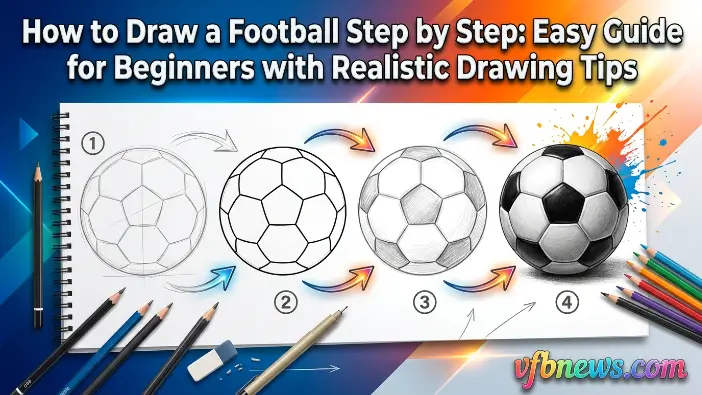
Welcome to VFB News. Learning how to draw a football is a fun and rewarding activity for artists of all skill levels. Whether you’re a beginner picking up a pencil for the first time or someone looking to improve your drawing skills, this guide will walk you through each step in a simple and easy-to-follow way. By practicing basic shapes and adding small details, you can create a clean and realistic football drawing without feeling overwhelmed.
In this guide, you’ll discover the materials you need, a complete step-by-step drawing process, tips for making your football illustration look more realistic, and common mistakes to avoid. You’ll also learn how to draw different types of footballs, improve your shading techniques, and practice useful exercises that build your confidence as an artist. By the end of this tutorial, you’ll have everything you need to create a polished football drawing.
Materials You’ll Need
Having the right materials makes learning how to draw a football much easier and helps you achieve cleaner, more professional-looking results. The good news is that you don’t need expensive art supplies to create an impressive football sketch. Most beginners can start with basic tools that are already available at home, making this an affordable and enjoyable drawing project. As your confidence and skills grow, you can gradually upgrade to higher-quality materials for smoother shading and finer details.
Basic Drawing Supplies
Before you begin learning how to draw a football, it’s important to gather the right drawing supplies. Using suitable tools not only makes the drawing process easier but also helps you achieve cleaner lines, smoother shading, and a more polished final result. The good news is that you don’t need professional or expensive art equipment to create an impressive football sketch. Most beginners can start with simple materials that are already available at home or can be purchased at a very affordable price.
Each drawing tool has a specific purpose, from creating the initial outline to adding realistic texture and shading. Choosing the right pencil, paper, and coloring materials allows you to work comfortably while making corrections whenever needed. As your confidence grows and your drawing skills improve, you can gradually invest in higher-quality art supplies to create even more detailed and realistic football illustrations. Starting with the right basics will make the entire drawing experience more enjoyable and help you achieve better results.
- Pencil: An HB or 2B pencil is ideal for creating light sketch lines and adding darker details when needed.
- Eraser: A soft eraser helps remove mistakes cleanly without damaging your paper.
- Paper: Use plain drawing paper or a sketchbook with a smooth surface for the best results.
- Marker: A black fine-tip marker can be used to outline your finished drawing and make it stand out.
- Colored Pencils: Brown, white, black, and gray colored pencils work well for coloring and shading your football.
Optional Tools
While the basic drawing supplies are enough to complete your football drawing, a few optional tools can make the process even easier and improve the overall quality of your artwork. These tools are especially helpful if you want to create a more detailed realistic football drawing or practice advanced drawing techniques. Although they’re not essential for beginners, many artists find them useful for achieving cleaner proportions, smoother shading, and greater accuracy.
Using optional tools also helps you build better drawing habits as your skills develop. They allow you to focus on fine details, maintain proper symmetry, and observe real-life features more carefully. Whether you’re drawing for fun, completing a school project, or improving your artistic abilities, these additional tools can make a noticeable difference in the finished football artwork and help you produce more professional-looking results.
- Ruler: Useful for drawing a straight center guideline and keeping both sides of the football symmetrical.
- Blending Stump: Helps blend pencil shading smoothly to create a more realistic leather texture.
- Reference Image: Looking at a real football or a clear photograph helps you understand the correct proportions, stitching, and overall shape before you begin drawing.
Read Also: Where to watch Michigan Wolverines football vs texas longhorns football
How to Draw a Football Step by Step
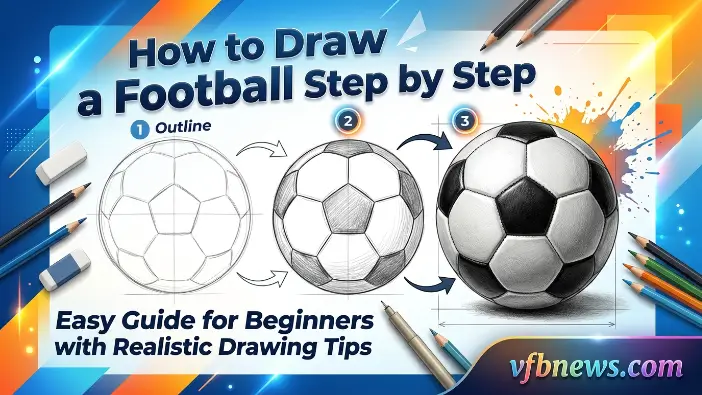
Learning how to draw a football is much easier when you divide the process into small, manageable steps. Instead of trying to create a perfect drawing all at once, focus on completing one stage at a time. Begin with a light sketch, gradually refine the shape, and then add details, texture, shading, and color. This step-by-step approach allows you to correct mistakes easily and helps build confidence as you progress through the drawing. Whether you’re a beginner, a student, or someone who enjoys sports drawing, following a structured method will make the entire process more enjoyable. Remember that every great drawing starts with simple shapes, and even professional artists begin with rough sketches before adding realistic details. Take your time with each step, and don’t worry if your first attempt isn’t perfect—consistent practice is the key to improving your drawing skills.
Draw the Basic Football Shape
Start by lightly sketching an elongated oval with gently pointed ends. Unlike a regular oval, an American football has a slightly wider center that gradually narrows toward both tips. Use light pencil strokes so you can easily erase or adjust the shape without leaving visible marks on the paper. Don’t worry about making the outline perfect on your first attempt. Instead, focus on creating a balanced shape with smooth curves, as drawing lightly gives you the freedom to make corrections before adding darker lines later in the process.
Take a moment to compare both sides of the football. A balanced outline is essential because it forms the foundation for the rest of your drawing. If one side appears slightly larger or more pointed than the other, gently adjust the outline until both halves look symmetrical. Spending extra time on this first step will make the remaining details much easier to add and will improve the overall quality of your football sketch.
Sketch the Center Guideline
Once you’re satisfied with the football’s basic shape, lightly draw a straight guideline across its widest section. This line acts as a reference point for placing the laces and other important details in the correct position. Although it won’t appear in the finished drawing, it plays an important role in keeping everything properly aligned. If you’re new to drawing, using a ruler can help create a perfectly straight guideline, while experienced artists may prefer drawing it freehand to improve pencil control.
Keep the guideline thin and easy to erase because it is only meant to guide your drawing. Taking a little extra time to position this line correctly will help your football outline look balanced and professional while making the placement of the laces much easier.
Draw the End Stripes
After creating the football’s basic shape and center guideline, it’s time to add the end stripes. These curved bands are an important feature of an American football and help give your drawing a realistic appearance. Draw one curved stripe near each pointed end, making sure they follow the natural curve of the football instead of appearing perfectly straight. Sketch them lightly at first so you can adjust their size or position if needed, and try to keep both stripes equal in width and distance from the tips.
Avoid placing the stripes too close to the pointed ends or making them overly wide, as this can affect the overall proportions of your drawing. Compare both sides carefully before darkening the lines to ensure they look balanced and symmetrical. Taking a little extra time during this step will improve the accuracy of your football illustration and prepare the drawing for the next stage.
Add the Laces
The laces are one of the most recognizable details of an American football, making this step essential for creating a realistic drawing. Begin by sketching a narrow rectangular panel across the center guideline, then add several short vertical lines inside it to represent the laces. Keep each lace evenly spaced and similar in length so the design looks neat and professional. Drawing these details lightly first allows you to make adjustments before finalizing the artwork.
Once you’re satisfied with the spacing, darken the laces slightly while keeping them centered within the football. Avoid making them too thick or too long, as oversized laces can distract from the overall design. Neatly drawn laces will make your American football drawing instantly recognizable and give it a more polished appearance.
Refine the Outline
Now that the main details have been added, refine the football’s outline by smoothing any uneven curves and correcting small imperfections. Erase unnecessary construction lines and check that the pointed ends, stripes, and laces remain properly aligned. This is the stage where your rough sketch begins to transform into a clean and finished drawing.
After making the necessary adjustments, trace the final outline with darker pencil strokes or a fine-tip black marker. A bold, clean outline makes every detail stand out clearly and creates a strong foundation for adding texture, shading, and color. Taking your time during this step will make the finished football sketch look much more professional.
Add Texture
A real football has a slightly rough leather surface, and adding texture helps your drawing appear more realistic. Use short, light pencil strokes that follow the curve of the football rather than drawing random lines. This simple technique creates the appearance of natural leather grain while maintaining the smooth shape of the football. Keep your strokes soft and consistent to avoid making the surface look overly rough.
Instead of covering the entire football with heavy texture, focus on adding slightly more detail around the seams and shaded areas while leaving a few smooth sections for highlights. This balance between texture and clean space gives your realistic football drawing greater depth and makes the finished artwork look more natural.
Shade the Football
Shading is what transforms a flat drawing into a realistic three-dimensional object. Before you begin, decide where the light source is coming from so you know which areas should remain bright and which should appear darker. Apply shading gradually using soft pencil strokes, building the darker tones layer by layer instead of pressing hard with your pencil from the start.
Blend the shaded areas gently using a blending stump or tissue to create smooth transitions between light and dark. Add slightly deeper shadows around the laces, seams, and lower edges of the football to increase depth and realism. Proper shading gives your football artwork a lifelike appearance and makes the leather texture stand out even more.
Color Your Drawing
The final step is adding color to complete your football drawing. A traditional American football is brown with white laces and white end stripes, so begin by applying a light brown base coat before gradually layering darker shades around the edges and shaded areas. Using multiple shades of brown instead of a single flat color creates the rich appearance of genuine leather and makes your drawing look much more realistic.
If you prefer a more creative style, experiment with different color combinations while maintaining consistent highlights and shadows. Once you’ve finished coloring, carefully review your drawing, erase any remaining guideline marks, and make any final adjustments to the outline or shading. These finishing touches will complete your how to draw a football artwork and give it a clean, polished, and professional finish.
Tips to Make Your Football Drawing Look More Realistic
Creating a realistic football drawing is about much more than simply copying the overall shape. Small details such as symmetry, texture, shading, and accurate proportions all work together to make your artwork look more natural. Even simple adjustments can significantly improve the final result, especially if you’re learning how to draw a football for the first time. The following tips will help you develop better drawing techniques and create a more polished football sketch.
Improve Symmetry
Symmetry is one of the most important elements of a realistic football drawing. Since an American football has a balanced shape, both sides should appear nearly identical in size and proportion. Taking a few moments to compare your drawing as you work can help you spot small mistakes before they become difficult to correct.
- Compare both sides of the football regularly as you draw.
- Use a light center guideline to keep the laces and stripes aligned.
- Step back occasionally to check the overall balance before finalizing the outline.
Add Leather Texture
A real football has a slightly rough leather surface, and adding subtle texture can make your drawing look much more authentic. Instead of filling the entire football with random pencil marks, use controlled strokes that follow the natural curve of the ball. This creates a realistic leather effect without making the drawing appear messy.
- Use short, curved pencil strokes to imitate the natural grain of leather.
- Keep the texture light so it enhances the drawing without making it look cluttered.
- Vary the direction of your strokes slightly to create a more natural appearance.
Use Proper Shading
Shading adds depth and dimension, making your football appear three-dimensional instead of flat. Before you begin shading, decide where your light source is located so the highlights and shadows remain consistent throughout the drawing. Building up shading gradually will always produce a smoother and more realistic result than using heavy pencil pressure from the beginning.
- Decide where the light source is before you begin shading.
- Build up darker values gradually instead of applying heavy pressure immediately.
- Blend pencil marks smoothly to create soft transitions and realistic depth.
Observe Real Football References
Using a real football or high-quality reference images is one of the easiest ways to improve your drawing accuracy. Carefully observing the shape, stitching, laces, and leather texture helps you understand details that are often difficult to draw from memory. The more closely you study real references, the more realistic your football illustration will become.
- Study photographs or a real football to understand its proportions and details.
- Notice how the leather reflects light and where shadows naturally appear.
- Use reference images to improve the placement of the stripes, stitching, and laces.
Common Mistakes to Avoid
Even experienced artists can make small mistakes when drawing a football, especially when trying to create a realistic design. The good news is that most of these errors are easy to identify and correct with careful observation and regular practice. Understanding the most common drawing mistakes will help you improve your how to draw a football skills, avoid unnecessary corrections, and create artwork that looks cleaner, more balanced, and professionally finished.
Uneven Shape
A balanced outline is the foundation of a realistic football drawing. If one side of the football is larger, wider, or more pointed than the other, the entire drawing can look inaccurate. Since an American football is symmetrical, both halves should have nearly identical curves and pointed ends. Lightly sketch the outline first using soft pencil strokes and compare both sides before darkening your lines. Paying close attention to symmetry during the early sketching stage makes it much easier to achieve a polished final result and strengthens your how to draw a football skills.
Using a center guideline can also help maintain balance throughout the drawing process. If the shape looks uneven, erase only the affected area and redraw it instead of starting over. Small adjustments often make a big difference in the overall appearance of your football outline, helping you create a drawing that looks cleaner, more accurate, and professionally finished.
Oversized Laces
The laces are one of the most recognizable features of an American football, but they should complement the drawing rather than dominate it. Making them too long, too thick, or unevenly spaced can make the football appear unrealistic and distract from its overall appearance. Keeping the laces neat, evenly aligned, and proportional to the football helps create a cleaner and more authentic design.
Before outlining the laces with darker lines, check that they sit neatly within the center lace strip and match the size of a real football. Looking at a reference image can help you understand their correct placement and proportions, making your American football drawing look more realistic and visually balanced.
Incorrect Shading
Shading is essential for giving your football a realistic three-dimensional appearance. Applying the same pencil pressure across the entire drawing creates a flat image with little depth. Instead, decide where your light source is located and gradually build darker tones on the opposite side while leaving brighter highlights where the light naturally falls. Building up the shading in layers creates a much smoother and more natural effect.
Avoid harsh transitions between light and dark areas by blending your pencil strokes gently with a blending stump or tissue. Smooth shading enhances the leather texture and gives your realistic football drawing greater depth, making the finished artwork look far more lifelike and professional.
Poor Proportions
Correct proportions are essential for making your football instantly recognizable. The football should be widest in the center and gradually narrow toward both pointed ends. If the body is too round, too narrow, or the tips are overly sharp, the drawing can lose its realistic appearance. Taking time to check the proportions before adding details will improve the overall quality of your how to draw a football artwork.
Compare the length and width of your sketch before drawing the stripes, laces, and texture. Making small adjustments during the early stages is much easier than correcting the drawing later. Careful attention to proportion helps create a balanced football illustration that looks polished, accurate, and visually appealing.
Easy Football Drawing for Kids
Learning **how to draw a football doesn’t have to be difficult, especially for children and beginners who are just starting to explore drawing. By breaking the process into a few simple steps, kids can easily create a recognizable football without worrying about advanced techniques like detailed shading or realistic texture. This beginner-friendly approach helps young artists focus on basic shapes, improve pencil control, and enjoy the creative process while building confidence with every drawing.
Simplified Five-Step Method
This easy method is designed to make drawing fun and stress-free for children of all ages. Each step builds on the previous one, allowing kids to complete the drawing at their own pace. Once they become comfortable with these basic steps, they can gradually add more details, experiment with colors, and practice simple shading techniques to improve their football sketch skills.
- Draw a large oval with gently pointed ends to create the football shape.
- Add a curved stripe near each end of the football.
- Draw a small rectangle across the center and add short vertical lines for the laces.
- Trace the final outline with a darker pencil or marker and erase any unnecessary sketch lines.
- Color the football brown, leave the laces and stripes white, and add a light shadow beneath it for a simple finishing touch.
This quick method helps children practice basic drawing skills while building confidence. As they become more comfortable, they can gradually add texture, shading, and extra details to make their football drawings more realistic. Regular practice also improves hand-eye coordination, creativity, and overall drawing ability, making it easier to tackle more detailed sports illustrations in the future.
How to Draw Different Types of Footballs
Not all footballs have the same shape, size, or design, which is why learning to draw different types can greatly improve your artistic skills. Each football has its own unique features, from its overall shape to its stitching and surface details. Understanding these differences will help you create more accurate drawings and expand your ability to sketch a variety of sports equipment. Whether you’re learning how to draw a football for fun or improving your sports illustration skills, practicing different football styles is an excellent way to become a more confident artist.
American Football
An American football is known for its elongated oval shape, pointed ends, white center laces, and curved stripes near both tips. Begin by lightly sketching the overall outline before adding the center panel, laces, and end stripes. Taking your time with the basic shape is important because it serves as the foundation for all the remaining details and helps your drawing look balanced from the start.
Once the outline is complete, enhance the drawing by adding subtle leather texture, realistic shading, and multiple shades of brown to create depth. Paying close attention to symmetry, the placement of the laces, and smooth shading will make your football illustration look much more realistic and professionally finished.
Soccer Ball
Unlike an American football, a soccer ball has a perfectly round shape made up of interconnected pentagon and hexagon panels. Start by drawing a neat circle, then lightly sketch the panel pattern while keeping the shapes evenly spaced across the surface. Maintaining symmetry is important because uneven panels can make the ball appear distorted.
After refining the pattern, darken the outlines and apply gentle shading around the edges of the panels to create a realistic three-dimensional effect. Finish your drawing with the traditional black-and-white color scheme or experiment with custom colors if you’d like to create a unique soccer ball drawing.
Rugby Ball
A rugby ball shares a similar oval shape with an American football but has smoother curves and slightly rounder ends. It also has a cleaner appearance because it typically doesn’t feature the large center laces found on an American football. Begin by sketching a balanced oval shape before adding the seam lines that define its distinctive design.
Once the outline is complete, use soft shading to emphasize the curved surface and add subtle texture for a more natural look. Paying attention to the smooth contours and accurate proportions will help distinguish your rugby ball from other types of sports drawing while giving it a realistic finish.
Coloring Your Football
Coloring is the final stage that transforms a simple outline into a vibrant and realistic piece of artwork. Applying the right colors, highlights, and shadows helps emphasize the football’s shape and leather texture while making the finished drawing much more visually appealing. Whether you prefer a traditional look or a creative design, taking your time during this stage will greatly improve your how to draw a football project.
Traditional Brown Football
The classic American football is traditionally brown with bright white laces and white end stripes. Begin by applying a light brown base color, then gradually build darker brown tones around the edges, seams, and shaded areas to create depth. Leave a few lighter areas where the light naturally reflects from the leather surface to make the football appear more realistic.
If you’re using colored pencils, blend several shades of brown instead of relying on a single color. Layering colors creates a richer leather appearance, while soft blending produces smooth transitions between highlights and shadows. This simple technique gives your football coloring a more polished and professional finish.
Creative Color Ideas
Although the traditional brown football is the most recognizable, experimenting with different color combinations can make your artwork more unique and personal. You can use your favorite team’s colors, bright gradients, metallic effects, or even bold fantasy designs to create a football that stands out. Creative color choices are a fun way to express your artistic style while practicing blending and shading techniques.
No matter which colors you choose, keep your highlights and shadows consistent so the football maintains its three-dimensional appearance. Combining creative colors with smooth shading and clean outlines will make your football artwork look eye-catching while helping you develop stronger coloring and illustration skills.
Practice Exercises to Improve Your Drawing Skills
Like any artistic skill, drawing improves with regular practice and patience. Spending just a few minutes each day working on simple sketches will gradually build your confidence, improve your pencil control, and strengthen your observation skills. These practice exercises are designed to help you master how to draw a football while developing techniques that can also be applied to other types of sports drawing and pencil sketching. The more consistently you practice, the more natural and accurate your drawings will become.
Daily Sketch Routine
One of the best ways to improve your drawing skills is by creating a simple football sketch every day. Regular practice helps train your hand to draw smooth lines, improves muscle memory, and makes it easier to recognize the correct proportions of an American football. Even spending 10 to 15 minutes sketching daily can lead to noticeable improvement over time.
Draw a football from memory before looking at a reference image, then compare your sketch with a real football to identify areas that need improvement. Pay attention to the shape, laces, stripes, and overall proportions, and use what you learn to improve your next drawing. This routine strengthens your observation skills and helps each new football sketch become cleaner, more accurate, and more realistic.
Try Different Angles
Drawing the same side view repeatedly can limit your progress, so it’s important to practice from different perspectives. Experimenting with various angles helps you understand how the football’s shape changes depending on the viewing position and improves your overall understanding of perspective and proportion.
Practice drawing footballs from slightly tilted positions, close-up views, or resting on different surfaces such as grass or a table. Challenging yourself with different viewpoints builds confidence and develops the skills needed to create more dynamic and realistic football illustrations.
Draw from Real Photos
Using real photographs as references is one of the fastest and most effective ways to improve your drawing accuracy. Real images allow you to study details that are often difficult to remember, such as the leather texture, stitching, highlights, and natural shadows. Observing these small features carefully will help you create artwork that looks much more authentic.
As you study reference photos, pay close attention to the football’s proportions, the placement of the laces and stripes, and the way light reflects from the leather surface. Practicing from real references regularly will sharpen your observation skills and significantly improve your football sketch, making your how to draw a football projects look more realistic and professionally finished..
Frequently Asked Questions
Can I draw a football without any previous drawing experience?
Yes. How to draw a football is a beginner-friendly project because it starts with simple shapes. With patience and regular practice, anyone can create a neat and realistic football drawing.
What is the easiest way to make a football drawing look more realistic?
The easiest way is to focus on proper proportions, consistent shading, and subtle leather texture. Using a reference image also helps improve accuracy and overall detail.
Should I sketch lightly before outlining my football drawing?
Yes. Light sketching makes it easier to fix mistakes and adjust the shape before tracing the final outline, resulting in a cleaner and more professional-looking drawing.
Which coloring tools work best for a football drawing?
Colored pencils are an excellent choice because they allow you to blend different shades smoothly. Markers and crayons also work well, depending on the style and finish you want to achieve.
How often should I practice to improve my football drawing skills?
Practicing for just 10–15 minutes a day can make a noticeable difference. Regular practice improves pencil control, accuracy, and confidence, helping you create more detailed and realistic drawings over time.
Conclusion
Learning how to draw a football is easier than it may seem when you break the process into simple, manageable steps. By starting with the basic shape, adding the center guideline, drawing the stripes and laces, refining the outline, and finishing with texture, shading, and color, you can create a football drawing that looks clean, balanced, and realistic.
Remember that every artist improves through consistent practice. Use reference images, experiment with different drawing techniques, and don’t be afraid to make mistakes along the way. With patience and regular practice, your football illustration and drawing tutorial skills will continue to grow, allowing you to create more detailed and professional-looking artwork with confidence.
