

Welcome to VFB. The Argentina national football team, widely known as La Albiceleste, is one of the most successful teams in international football. Argentina has won three FIFA World Cup titles and 16 Copa América championships, building a rich history filled with legendary players such as Lionel Messi, Diego Maradona, Gabriel Batistuta, and Ángel Di María.
Argentina has continued its success in the modern era under head coach Lionel Scaloni. The team won the 2021 Copa América, followed by the 2022 FIFA World Cup and the 2024 Copa América. In 2026, Argentina reached another World Cup final, where it lost 1–0 to Spain after extra time.
Argentina National Football Team at a Glance
The Argentina national football team represents Argentina in men’s international football and is governed by the Argentine Football Association. The team competes in CONMEBOL, South America’s football governing body. Argentina has won the FIFA World Cup three times, in 1978, 1986, and 2022, while its 16 Copa América titles are the most in the tournament’s history. Argentina made its World Cup debut in 1930 and reached the 2026 final, finishing as runners-up after a defeat to Spain.
| Fact | Details |
| Team | Argentina national football team |
| Nickname | La Albiceleste |
| Confederation | CONMEBOL |
| Head coach | Lionel Scaloni |
| Captain | Lionel Messi |
| World Cup titles | 3 |
| Copa América titles | 16 |
| World Cup wins | 1978, 1986, 2022 |
| First World Cup | 1930 |
| 2026 World Cup result | Runners-up |
Argentina is widely known as La Albiceleste, a name linked to its famous sky-blue and white kit. Lionel Messi is the team’s captain, while Lionel Scaloni has led Argentina through its recent period of major success. The team’s three World Cup victories came under different generations, from Mario Kempes in 1978 to Diego Maradona in 1986 and Messi in 2022. This combination of historic achievements and modern success makes Argentina one of the leading national football teams in the world.
History of the Argentina National Football Team
The Argentina national football team has one of the richest histories in South American football. From its early success in regional competition to three FIFA World Cup victories, Argentina has consistently produced talented players and competitive teams. Its football identity is built around technical skill, creativity, passion, and a strong tradition of producing world-class footballers.
Early Years and Rise in South American Football
Argentina was one of four teams to compete in the first South American Championship in 1916, a tournament that would later become known as the Copa América. This early involvement helped establish Argentina as a major footballing nation in South America and provided a strong foundation for its development in international football.
Over the decades, Argentina became renowned for its technical ability and generation of talented players. A deep-rooted football culture, competitive domestic league, and strong emphasis on individual skill have all contributed to the identity that continues to shape Argentine football today.
Argentina’s World Cup Breakthrough
Argentina hosted the 1978 FIFA World Cup and captured its first World Cup title on home soil. Mario Kempes emerged as one of the tournament’s standout players, scoring six goals and playing a decisive role in the final. Argentina defeated the Netherlands 3–1 after extra time to lift the trophy.
The triumph marked a significant moment in the history of the Argentina national football team. It established Argentina as a World Cup champion and strengthened its status as one of the leading football nations on the international stage.
Maradona and the 1986 World Cup
Argentina won its second FIFA World Cup in 1986 in Mexico, with Diego Maradona playing a central role throughout the tournament. His exceptional performances, creativity, and leadership made him one of the standout figures of the competition and a defining name in World Cup history.
In the final, Argentina defeated West Germany 3–2 to claim the trophy. Maradona’s influence throughout the campaign helped make the 1986 triumph one of the most memorable moments in Argentine football history and further established him as a national icon.
From Tournament Heartbreak to a New Golden Era
After winning the 1986 World Cup, Argentina reached the 1990 final but lost to West Germany. The team later endured several difficult years, including defeats in the 2014 World Cup final and the 2015 and 2016 Copa América finals. These setbacks extended Argentina’s wait for another major senior international trophy.
That drought ended under head coach Lionel Scaloni. Argentina won the 2021 Copa América, followed by the 2022 FIFA World Cup and the 2024 Copa América. The three major titles marked a remarkable period of success for the Argentina national football team and established one of the most successful eras in its modern international football history.
Read Also: Indiana Hoosiers Football vs Oregon Ducks Football Match Player Stats: Full Breakdown
Argentina’s World Cup Record and Achievements
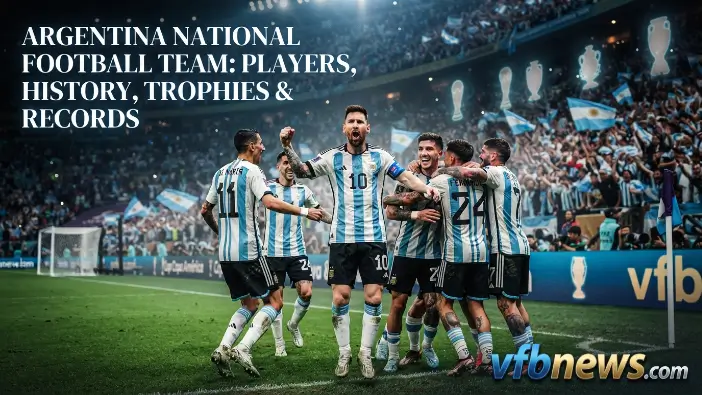
The Argentina national football team is one of the most successful teams in FIFA World Cup history. Argentina has won the tournament three times and has reached several finals across different generations. Its World Cup record has been shaped by legendary players, strong team organization, and the ability to compete at the highest level.
Argentina in Recent World Cups
Argentina reached the 2014 World Cup final but lost 1–0 to Germany after extra time. Four years later, France eliminated Argentina in the Round of 16 with a thrilling 4–3 match. These results reflected Argentina’s continued presence among the leading international teams while highlighting its wait for another World Cup title.
That breakthrough came in 2022. After losing its opening match to Saudi Arabia, Argentina recovered to win the tournament, defeating France in one of the most dramatic finals in World Cup history. In 2026, Argentina reached a second consecutive World Cup final but lost 1–0 to Spain after extra time, finishing as runners-up.
What Makes Argentina So Successful at the World Cup?
The Argentina national football team combines technical quality, tactical flexibility, experience, and mental resilience. The team is comfortable controlling possession and building attacks through precise passing, while also capable of switching quickly to direct play when opportunities arise.
Argentina also places a strong emphasis on defensive organization and can adapt its formation and tactical approach based on the opponent. This blend of creativity, discipline, and tournament experience has helped the team remain a major force in international football.
Argentina’s Copa América Record
The Argentina national football team has a remarkable history in the Copa América. With 16 titles, Argentina is the competition’s most successful team and has remained a major force in South American football across multiple generations. Its recent success in the tournament has further strengthened the team’s position among the leading sides in modern international football.
How Many Copa América Titles Has Argentina Won?
Argentina has won a record 16 Copa América titles, moving ahead of Uruguay’s 15. Its most recent championship came in 2024, when Argentina defeated Colombia 1–0 after extra time in the final. That victory further strengthened Argentina’s place at the top of the Copa América history record.
The team’s long list of titles reflects its sustained success in South American competition. Argentina has won the tournament across different generations rather than relying on the achievements of a single era, from its early regional dominance to the modern period led by Lionel Messi.
Argentina’s Recent Copa América Success
Argentina ended a long wait for a major senior men’s trophy by winning the 2021 Copa América in Brazil. The team defeated hosts Brazil 1–0 in the final, with Ángel Di María scoring the decisive goal. The triumph was particularly significant after Argentina had suffered several defeats in major finals in previous years.
Argentina followed that success by winning the 2024 Copa América in the United States. Combined with the 2022 World Cup triumph, these achievements created an exceptional run for La Albiceleste and marked one of the most successful periods in the team’s modern history.
Argentina vs Other South American Powerhouses
Argentina currently leads the Copa América title standings with 16 championships, followed by Uruguay with 15 and Brazil with nine. This record highlights Argentina’s long-standing success in South American football and its strong history in the competition.
The numbers also reflect Argentina’s ability to compete successfully across multiple generations. Its historic rivalries with Uruguay and Brazil have played an important role in shaping the competitive history of the Copa América and South American football.
Current Argentina National Football Team Squad
The Argentina national football team entered the 2026 World Cup with a 26-player squad selected by Lionel Scaloni. The squad blended experienced stars with emerging talent, giving La Albiceleste depth and options across the pitch. Young players such as Nico Paz, Valentín Barco, and José Manuel López added energy and competition alongside the team’s established figures.
Goalkeepers
Argentina’s 2026 World Cup goalkeeping options included a mix of experience and international tournament exposure. The group provided La Albiceleste with depth in goal and included established players who had competed at the highest level of international football.
- Emiliano Martínez
- Gerónimo Rulli
- Juan Musso
Emiliano Martínez remained Argentina’s leading goalkeeper. His shot-stopping ability, leadership, and experience in major international tournaments made him an important part of La Albiceleste’s defensive setup.
Defenders
The Argentina national football team selected a strong group of defenders for its 2026 World Cup squad, combining experienced international players with younger options. The defensive unit provided depth across central defense and the full-back positions, giving the team several options at the back.
- Nahuel Molina
- Gonzalo Montiel
- Cristian Romero
- Leonardo Balerdi
- Nicolás Otamendi
The defensive group combined experienced leaders with younger options, providing a strong mix of physicality, pace, versatility, and defensive organization. This depth also gave Lionel Scaloni greater flexibility when setting up the back line and adapting to different opponents.
Midfielders
ArgArgentina’s midfield options included a blend of experience, technical quality, and versatility, giving the team several options for controlling the tempo and supporting both attack and defense.
- Leandro Paredes
- Alexis Mac Allister
- Rodrigo De Paul
- Giovani Lo Celso
- Exequiel Palacios
- Enzo Fernández
- Valentín Barco
The midfield unit offered a strong combination of ball control, passing, pressing, creativity, and defensive support. Alexis Mac Allister and Enzo Fernández added creativity, forward movement, and progressive passing, while experienced players such as Rodrigo De Paul and Leandro Paredes provided energy, balance, and control in the center of the pitch.
Forwards
The Argentina national football team had a strong range of attacking options for the 2026 World Cup, combining experience, creativity, pace, movement, and finishing ability across the front line.
- Lionel Messi
- Julián Álvarez
- Lautaro Martínez
- Thiago Almada
- Nicolás Paz
Lionel Messi remained the most prominent name in Argentina’s attack, while Julián Álvarez and Lautaro Martínez brought different qualities through their movement and finishing ability. The remaining attacking players added further depth and versatility, giving La Albiceleste multiple attacking options across the front line.
Lionel Messi and Argentina’s Modern Golden Generation
Lionel Messi and a talented generation of players have played a major role in shaping one of the most successful periods in the history of the Argentina national football team. After years of setbacks in major international finals, Argentina developed into a strong and well-balanced side, combining Messi’s exceptional individual talent with teamwork, tactical discipline, and quality across the squad.
Lionel Messi’s Role in the National Team
Lionel Messi has been a defining figure of Argentina’s modern era, serving as the team’s captain, leading goalscorer, creative force, and inspirational leader. His attacking creativity, playmaking ability, and influence in crucial matches have made him one of the most important players in the history of the Argentina national football team.
Messi won his first major senior international trophy with Argentina at the 2021 Copa América, ending a long wait for a major title with the national team. He then played a central role in Argentina’s success at the 2022 FIFA World Cup and the 2024 Copa América. At the 2026 World Cup, Messi reached another final with Argentina and extended his record to 34 World Cup appearances, further adding to his remarkable international career.
From Near Misses to Major Titles
Argentina’s recent success became even more significant because it followed a difficult period of disappointment in major international finals. The team lost the 2014 FIFA World Cup final and then suffered further defeats in the 2015 and 2016 Copa América finals, extending a frustrating run for Lionel Messi and his teammates.
The 2021 Copa América marked an important turning point for La Albiceleste. Argentina ended its long wait for a major senior international trophy before continuing its successful run with victories at the 2022 FIFA World Cup and the 2024 Copa América. These achievements turned years of near misses into one of the most successful periods in modern international football.
Lionel Scaloni and Argentina’s Playing Style
Lionel Scaloni has transformed the Argentina national football team into a flexible, disciplined, and well-organized side. Under his leadership, Argentina has developed the ability to adjust its approach based on the opponent and the demands of each match, rather than relying on a single tactical system.
Lionel Scaloni’s Tactical Approach
Scaloni does not rely on a single fixed formation or tactical setup. He can adjust Argentina’s shape, pressing intensity, and attacking strategy based on the strengths and weaknesses of the opposition. This flexibility gives the team greater tactical freedom and allows La Albiceleste to respond effectively to different challenges during demanding matches.
The coach also places strong emphasis on team balance rather than relying solely on individual stars. Players are expected to understand their defensive and attacking responsibilities, allowing the team to remain organized while adapting its approach. This combination of tactical flexibility, discipline, and collective responsibility has helped Argentina maintain its structure and effectiveness across different styles of play.
Why the Scaloni Era Has Been So Successful
Scaloni’s success is built on more than Argentina’s individual talent. He has created a strong team culture based on tactical flexibility, discipline, trust, and unity. This approach has allowed experienced stars and younger players to work effectively together within a clear and organized tactical system.
Argentina’s run to the 2026 World Cup final further demonstrated its consistency in knockout football. Although the team lost the final to Spain, reaching consecutive World Cup finals highlighted the strength, stability, and continued success of the Scaloni era.
Argentina’s Greatest Football Players and Legends
The Argentina national football team has produced some of the greatest players in football history, with legendary figures leaving their mark across different generations. Mario Kempes and Diego Maradona played defining roles in earlier eras, while modern stars such as Lionel Messi and Ángel Di María have continued that tradition at the highest level of Argentine football.
Diego Maradona
Diego Maradona stands among Argentina’s greatest football legends and played a central role in the country’s 1986 World Cup triumph in Mexico. His exceptional skill, creativity, vision, and leadership made him the standout figure of the tournament and helped establish his place among the most iconic players in World Cup history.
Maradona’s influence extended well beyond his performances on the pitch. His distinctive personality, passion, and strong connection with Argentine supporters turned him into a lasting national icon. His remarkable 1986 campaign, highlighted by his decisive contributions throughout the tournament, remains one of the most memorable individual performances in international football.
Lionel Messi
Lionel Messi is widely regarded as one of the greatest footballers in history and has been the defining figure of Argentina’s modern era. As captain, he combined goalscoring, creativity, and leadership to become a central figure in many of the national team’s most important achievements.
Messi’s international career reached a major milestone with Argentina’s 2021 Copa América triumph, followed by the 2022 World Cup victory in Qatar. He then helped La Albiceleste secure another major title at the 2024 Copa América, completing an extraordinary period of success with the national team and further strengthening his legacy in Argentine football.
Gabriel Batistuta
Gabriel Batistuta was one of Argentina’s leading strikers during the 1990s and early 2000s. Known for his powerful shooting, physical strength, and clinical finishing, he was a consistent attacking threat for the Argentina national football team and one of the era’s most recognized forwards.
Batistuta played an important role during the period before the Messi era and established himself as one of Argentina’s most respected goalscorers. His ability to score from different positions and situations made him a valuable presence in major international tournaments and an important part of Argentina’s attack across his international career.
Ángel Di María
Gabriel Batistuta was one of Argentina’s leading strikers during the 1990s and early 2000s. Known for his powerful shooting, physical strength, and clinical finishing, he was a consistent attacking threat for the Argentina national football team and one of the era’s most recognized forwards.
Batistuta played an important role during the period before the Messi era and established himself as one of Argentina’s most respected goalscorers. His ability to score from different positions and situations made him a valuable presence in major international tournaments and an important part of Argentina’s attack across his international career.
Argentina’s Biggest Football Rivalries
Lionel Messi is widely regarded as one of the greatest footballers in history and remains the defining figure of Argentina’s modern era. As captain, he combined goalscoring, creativity, and leadership to become a key figure in many of the Argentina national football team’s most important achievements.
Argentina vs Brazil
The rivalry between Argentina and Brazil is one of the most iconic matchups in international football. Both nations have produced generations of legendary players and have regularly competed for major South American honors, giving their meetings significance well beyond the result of any single match.
Across different eras, the rivalry has featured some of football’s biggest stars, including Lionel Messi, Neymar, Diego Maradona, and Pelé. Matches between the two sides are often marked by technical quality, intense pressure, and fierce competition, making Argentina vs. Brazil a highly anticipated fixture whenever these two South American powers meet.
Argentina vs Uruguay
The rivalry between Argentina and Uruguay is one of the oldest and most historic matchups in international football. Their close geographical and cultural connections have helped create a long-standing competitive relationship between the two neighboring nations.
Often referred to as the Río de la Plata rivalry, the matchup has deep roots in South American football. Both countries have enjoyed significant success on the international stage, with their meetings carrying a rich history of competitive and memorable encounters. As a result, Argentina vs. Uruguay remains an important rivalry in the region and a notable fixture in international football.
Argentina vs England
The rivalry between Argentina and England holds a special place in World Cup history, largely because of their memorable 1986 quarter-final encounter in Mexico. Argentina won the match 2–1, with Diego Maradona scoring twice in a performance that became one of the most widely remembered moments in international football.
The matchup also carries historical significance beyond the football pitch, adding another layer of meaning to encounters between the two nations. Because of this combination of sporting history and broader historical context, Argentina vs. England remains one of the most memorable international rivalries involving the Argentina national football team.
Argentina vs Other Major Opponents
Argentina also has long-standing competitive histories with France, Germany, Chile, and Spain. The Argentina national football team has met these nations in important World Cup and continental matches, producing memorable encounters and significant moments across different generations.
The 2026 World Cup final added another chapter to Argentina’s history with Spain. Spain defeated Argentina 1–0 after extra time, leaving La Albiceleste as runners-up and creating another notable moment in Argentina’s international football history. The result added further significance to a matchup that has featured important encounters on the global stage.
Argentina National Football Team Records and Statistics
The Argentina national football team has built an outstanding record in international football. Argentina has won three FIFA World Cup titles, lifting the trophy in 1978, 1986, and 2022. The team has also claimed 16 Copa América championships, the most in the competition’s history.
| Record | Argentina |
| World Cup titles | 3 |
| World Cup winning years | 1978, 1986, 2022 |
| Copa América titles | 16 |
| First World Cup appearance | 1930 |
| 2022 World Cup result | Champions |
| 2026 World Cup result | Runners-up |
| Nickname | La Albiceleste |
| Confederation | CONMEBOL |
These achievements highlight Argentina’s consistency and success across different generations of Argentine football. For player-specific records, including appearances, goals, and tournament statistics, figures may change over time. For the most accurate and up-to-date information, the latest records from FIFA, CONMEBOL, and the Argentine Football Association should be verified before publication.
Why Argentina Is One of Football’s Most Successful National Teams
The Argentina national football team has maintained its success through a deep football culture, generations of talented players, and a strong tradition of developing young talent. The country has produced legendary figures across different eras, including Mario Kempes, Diego Maradona, and Lionel Messi. This consistent production of elite players has helped Argentina remain a major force in South American football for generations.
Argentina’s achievements also reflect its ability to combine individual talent with strong tactical organization. Under Lionel Scaloni, the team can control possession, defend with discipline, apply pressure, and adjust its approach according to the demands of each match. This combination of footballing tradition, technical quality, tactical intelligence, and competitive mentality has helped Argentina remain among the world’s leading national football teams.
Frequently Asked Questions About the Argentina National Football Team
How many World Cups has Argentina won?
The Argentina national football team has won three FIFA World Cups: 1978, 1986, and 2022. Argentina reached the 2026 final but lost 1–0 to Spain after extra time.
How many Copa América titles does Argentina have?
Argentina has won a record 16 Copa América titles. Its most recent victory came in 2024.
What is Argentina’s football team nickname?
Argentina is commonly known as La Albiceleste. The name refers to the team’s traditional light-blue and white colors.
Who is the captain of Argentina?
Lionel Messi is the captain and leading figure of the modern Argentina national team. He led Argentina through its 2022 World Cup victory and was part of the 2026 squad.
Who is the coach of the Argentina national football team?
Lionel Scaloni has been Argentina’s coach during its recent major successes. After the 2026 World Cup final, he said he expected to remain under contract until December 2026 but suggested he may leave afterward.
Conclusion
The Argentina national football team has built one of the strongest records in international football. With three FIFA World Cup titles, a record 16 Copa América championships, and legendary players such as Diego Maradona and Lionel Messi, Argentina has secured a lasting place in football history.
The modern Argentina national team has added another remarkable chapter through its victories in the 2021 Copa América, 2022 World Cup, and 2024 Copa América. Although Spain prevented Argentina from winning consecutive World Cups in 2026, the team’s run to another final demonstrated its continued strength, consistency, and status among the world’s leading national teams.
