

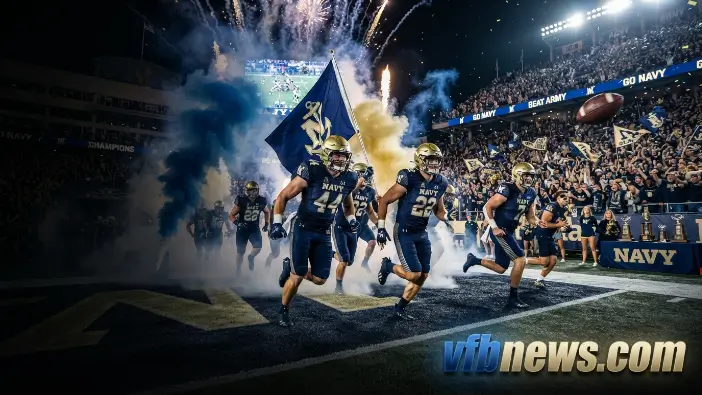
Navy Football is one of the most respected and historic programs in college football. Representing the United States Naval Academy, the Navy Midshipmen have earned national recognition through their commitment to discipline, teamwork, determination, and excellence.
Over the years, Navy Football has created a proud legacy filled with memorable victories, outstanding players, and some of the sport’s most iconic traditions. From historic achievements on the field to passionate rivalries that capture the attention of fans nationwide, the program continues to hold a special place in college football.
Whether you’re discovering the team for the first time or have supported the Midshipmen for years, exploring the history of Navy Football provides a greater appreciation for everything the program represents.
In this guide, we’ll explore the team’s history, unique playing style, championships, legendary players, and the famous Army–Navy Game. You’ll also learn what makes the Navy Midshipmen stand apart from other NCAA football programs and why their tradition continues to inspire football fans across the country.
What Is Navy Football?
Navy Football represents the United States Naval Academy in Annapolis, Maryland, and is one of the most distinctive programs in American college football. Known as the Navy Midshipmen, the team competes at the highest level of college football in the NCAA Division I Football Bowl Subdivision (FBS).
What makes Navy Football unique is the demanding lifestyle of its student-athletes. Navy players must balance their academic responsibilities, military training, and athletic commitments while preparing for future service as officers in the United States Navy or Marine Corps. This combination of education, discipline, service, and competition has defined the program for more than a century.
Through strong leadership, disciplined coaching, and an unwavering commitment to excellence, Navy Football has built a proud and respected tradition. The program has produced memorable victories, outstanding players, and one of the most famous rivalries in American sports. As a result, the Navy Midshipmen continue to earn admiration and respect from football fans and opponents across the country.
Overview of the Navy Midshipmen
The Navy Midshipmen proudly represent the United States Naval Academy, one of the nation’s most respected military institutions. Before becoming football players, every member of the team is first a Midshipman, expected to meet demanding academic, physical, and leadership standards. Unlike student-athletes at many traditional universities, Navy players must prepare for future military service while competing against some of the toughest programs in college football.
This unique environment sets Navy Football apart from other college football programs. For the Midshipmen, success is defined by more than victories and championships. It is also reflected in the character, discipline, leadership, and commitment demonstrated by each player both on and off the field.
Throughout its history, the program has built a strong reputation for teamwork, determination, and preparation. The Navy Midshipmen continue to prove that discipline, dedication, and a team-first mentality can help them compete at the highest level of college football, even against programs with exceptional athletic talent.
NCAA Division and Conference
The Navy Midshipmen compete in the NCAA Division I Football Bowl Subdivision (FBS), the highest level of college football in the United States, where many of the nation’s top programs compete each season. Since joining the American Athletic Conference (AAC) as a football-only member in 2015, Navy has faced strong conference competition while continuing to preserve the traditional rivalries that make the program so special.
Competing in the AAC gives Navy Football the opportunity to challenge talented opponents, compete for conference championships, and pursue postseason bowl appearances. The program also continues to schedule meaningful non-conference games throughout the season.
Among these matchups, none is more famous than the historic Army–Navy Game. This legendary rivalry remains one of the most highly anticipated events in college football, attracting national attention and celebrating the tradition, discipline, and competitive spirit of two of America’s most respected service academies.
The United States Naval Academy
The United States Naval Academy was founded to educate, train, and prepare future officers for service in the United States Navy and Marine Corps. Midshipmen receive a high-quality education while also completing demanding military training, physical fitness programs, and leadership development. This challenging environment helps students develop discipline, responsibility, resilience, and the ability to perform effectively under pressure.
For members of Navy Football, balancing athletics with academic and military responsibilities is an important part of everyday life. Players must manage practices, classes, physical training, and leadership duties while maintaining the high standards expected of every Midshipman.
Each practice, classroom experience, and training session helps prepare these student-athletes for success both on the football field and in their future military careers. This strong commitment to excellence, leadership, discipline, and service is what makes Navy Football one of the most respected and distinctive programs in college football.
History of Navy Football
The history of Navy Football dates back to 1879, making it one of the oldest and most historic programs in college football. Throughout more than a century of competition, the Navy Midshipmen have developed a proud tradition built on discipline, teamwork, determination, and excellence both on and off the field.
While many college football programs primarily measure success through wins, championships, and individual achievements, Navy has always placed equal importance on developing future military leaders. The program combines athletic competition with the values of service, leadership, responsibility, and commitment that define the United States Naval Academy.
From its early years and championship seasons to legendary players and notable achievements in the modern era, Navy Football has continued to grow and adapt while remaining closely connected to the traditions and values of the Naval Academy.
Early Years
The story of Navy Football began in 1879, when the United States Naval Academy formed its first football team. At the time, college football was still in its early stages, with developing rules and relatively limited competition. Despite these challenges, the Midshipmen quickly established themselves as a disciplined and competitive program. Their strong work ethic, teamwork, and determination helped them compete against respected schools and earn recognition from players, coaches, and fans.
As the program developed, Navy Football came to represent much more than success on the football field. Players were expected to maintain strong academic performance, complete rigorous military training, and prepare for future service in the United States Navy or Marine Corps. This combination of athletics, education, and military preparation distinguished the Midshipmen from many other NCAA football programs and helped establish the foundation of their long-standing tradition.
During these early years, Navy also developed its historic rivalry with Army. Over time, the matchup grew into one of the most celebrated traditions in American sports, adding another important chapter to the history and identity of Navy Football.
National Championships
Throughout its long history, Navy Football has experienced numerous successful seasons, with one of its most significant achievements coming in 1926, when the Midshipmen captured a recognized national championship. That outstanding season demonstrated Navy’s disciplined approach, balanced offensive attack, and strong defensive play, helping the team compete against and defeat several of the nation’s top programs. The championship remains one of the most memorable accomplishments in the history of the Naval Academy.
While Navy Football has earned one recognized national championship, the program’s legacy extends far beyond championship titles. Throughout the twentieth century, the Midshipmen regularly appeared in national rankings, recorded victories over highly ranked opponents, and established themselves as a respected force in college football.
For Navy, however, success has never been defined solely by wins, rankings, or trophies. The program places equal emphasis on leadership, integrity, discipline, and service. These values have helped Navy Football build a lasting legacy and demonstrate that true achievement extends beyond what happens on the football field.
Historic Seasons
Several memorable eras have helped shape the legacy of Navy Football, but few were as significant as the early 1960s. During this period, legendary quarterback Roger Staubach became the face of the program, leading the Midshipmen with outstanding leadership, skill, and determination. His exceptional performances earned him the prestigious Heisman Trophy in 1963 and helped elevate Navy to national prominence. His accomplishments remain one of the most celebrated chapters in the history of the program.
The Midshipmen experienced another notable period of success during the 2000s, when Navy returned to national attention with multiple winning seasons, bowl appearances, and impressive victories over ranked opponents. This era demonstrated the program’s ability to compete at a high level while its players continued to manage demanding academic and military responsibilities.
Each successful era has contributed to the enduring reputation of Navy Football. From legendary individual performances to consistent team achievements, these moments have strengthened the Midshipmen’s tradition and added important chapters to one of the most distinctive stories in college football.
Evolution Through Modern College Football
As college football continues to evolve through faster-paced offenses, advanced training techniques, and innovative coaching strategies, Navy Football has adapted while preserving the traditions that define the program. The Midshipmen have embraced modern strength and conditioning, sports science, player development methods, and updated tactical approaches to remain competitive against larger and more athletically talented programs.
Today, Navy Football successfully combines tradition with innovation. Rather than abandoning its long-standing identity, the program continues to build on its core values of discipline, teamwork, preparation, and service while making thoughtful adjustments to meet the demands of modern NCAA football.
This balance between tradition and progress has helped the Navy Midshipmen maintain their reputation as a respected college football program. It also reflects the broader mission of the Naval Academy, where athletic development, leadership, education, and military service work together to prepare Midshipmen for challenges both on the football field and in their future careers.
Read Also: Portugal National Football Team vs Spain National Football Team Lineups
Navy Football Traditions
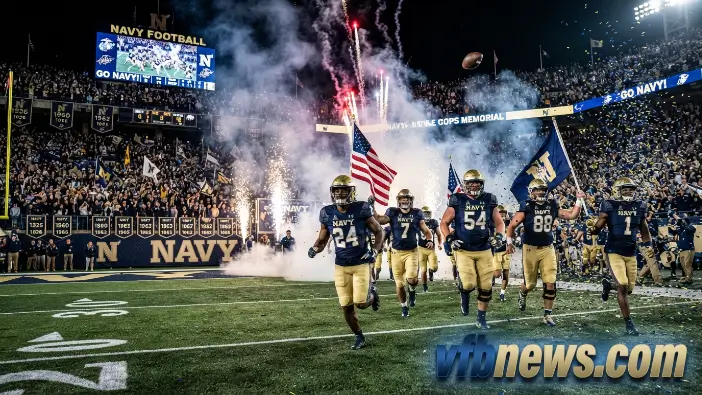
The traditions of Navy Football play an important role in making the program stand out in college football. Each game reflects the core values of the United States Naval Academy, including honor, discipline, teamwork, and service. From the well-known March-On Ceremony to the singing of the academy’s fight song, these traditions unite players, students, alumni, military families, and fans. They create a strong sense of pride and serve as a reminder that representing the Naval Academy means much more than simply winning football games.
March-On Ceremony
One of the most respected traditions in Navy Football is the March-On Ceremony, held before every home game. During the ceremony, the Brigade of Midshipmen marches onto the field in full dress uniform with remarkable precision and discipline. This impressive tradition highlights the military training and teamwork that are central to life at the United States Naval Academy. It is one of the first sights fans experience on game day and helps set the tone for the event.
For many supporters, the March-On Ceremony is just as meaningful as the football game itself. It reminds everyone that each player represents not only the Navy Midshipmen but also the future leaders of the United States Navy and Marine Corps. The ceremony reflects the academy’s dedication to honor, service, and excellence, making it one of the most memorable traditions in college football.
Singing “Blue and Gold”
Another cherished tradition of Navy Football is singing “Blue and Gold,” the official fight song of the United States Naval Academy. After each game, players, students, alumni, and fans come together to sing the song regardless of the final result. This tradition celebrates unity and reminds everyone that supporting the team means more than simply celebrating victories or accepting defeats.
The lyrics of “Blue and Gold” reflect loyalty, pride, and dedication to the Naval Academy. As thousands of voices come together after the game, the atmosphere becomes both emotional and inspiring. This tradition strengthens the connection between the football program and the Navy community while preserving a legacy that has continued through generations.
Game Day Experience
Attending a Navy Football game offers a unique experience that combines exciting college football action with proud military traditions. Before kickoff, fans can enjoy performances by the Navy Band, patriotic ceremonies, military flyovers, and appearances by the Drum and Bugle Corps. These events create an atmosphere that is both entertaining and meaningful, making each home game a memorable occasion.
Tailgating is another popular part of the game-day experience. Families, alumni, military personnel, and football fans gather before the game to enjoy food, share stories, and show their support for the Midshipmen. The combination of football, patriotism, and community spirit creates an unforgettable experience that few other programs can match.
Naval Academy Spirit
The spirit of the United States Naval Academy is reflected throughout every part of Navy Football. Players are expected to demonstrate leadership, discipline, respect, and integrity both on the field and in their everyday lives. These values influence the way they train, compete, and represent the academy, making character just as important as athletic ability.
Unlike many NCAA football programs that primarily focus on championships, Navy Football places equal emphasis on preparing future military officers. This dedication to leadership and service has earned admiration from fans across the country and continues to inspire each new generation of Midshipmen who proudly represent the Navy.
The Famous Army–Navy Game
The Army–Navy Game is one of the most iconic and respected rivalries in college football. Since the first meeting in 1890, the matchup has brought together the United States Naval Academy and the United States Military Academy in a competition that means far more than the final score. Unlike traditional football rivalries, this historic game represents honor, discipline, leadership, and the shared commitment of future military officers who will eventually serve their country together. Each year, millions of fans follow this celebrated event because it combines competitive football with deep-rooted traditions, making it one of the most meaningful games in American sports.
Why the Rivalry Matters
The Army–Navy Game is much more than an annual football competition. It represents more than a century of tradition, respect, and friendly rivalry between two of America’s most prestigious military academies. Players spend months preparing for the matchup because they understand its importance to their teammates, classmates, alumni, and wider military community. A victory brings pride not only to the winning academy but also to generations of graduates who have proudly represented their institutions.
Unlike many rivalries in college football, the focus extends beyond championships and rankings. The game highlights teamwork, discipline, leadership, and the shared values of military service. While Army and Navy compete intensely on the field, they maintain a deep sense of mutual respect that makes this rivalry truly unique. After graduation, many of these athletes will serve alongside one another, showing that their commitment to the nation ultimately stands above the competition itself.
Historic Moments
Throughout its long history, the Army–Navy Game has produced countless unforgettable moments that have become part of college football history. From dramatic last-minute victories and overtime thrillers to outstanding individual performances, every generation has witnessed games that fans continue to remember for years. These memorable contests have strengthened the rivalry and added to its legendary status.
Several Navy players have delivered career-defining performances in this game, helping the Midshipmen secure important victories and memorable winning streaks. Every season adds another exciting chapter to the rivalry, keeping fans eager to see what history will be made next. These unforgettable moments continue to make the Army–Navy Game one of the most anticipated events in NCAA football.
America’s Game
The Army–Navy Game is often known as “America’s Game” because it honors the dedication and sacrifice of the men and women preparing to serve in the United States Armed Forces. Before kickoff, both academies participate in inspiring military traditions, including the Corps of Cadets and Brigade of Midshipmen marches, patriotic performances, and military flyovers that create a memorable atmosphere.
What makes this event especially meaningful is the respect shared by everyone involved. Active-duty service members, veterans, students, alumni, and fans come together to celebrate not only football but also the values of honor, courage, and service. Even those who do not regularly follow college football often tune in because the game represents unity, patriotism, and sportsmanship at its best.
Army vs Navy Records
The all-time series between Army and Navy has featured countless memorable victories, competitive seasons, and impressive winning streaks for both programs. Over more than a century, the rivalry has remained highly competitive, with each academy experiencing its own periods of success. These shifting results have kept the excitement alive and ensured that every new matchup holds great importance for both teams.
Although the records continue to change with each season, the significance of the Army–Navy Game remains unchanged. For the players, coaches, and supporters of Navy Football, defeating Army is one of the most meaningful accomplishments of the year. Regardless of the team’s overall record, victory in this historic rivalry is viewed as a major achievement and remains one of the greatest traditions in college football.
Navy Football Playing Style
The playing style of Navy Football is one of the key factors that sets the program apart in college football. While many teams depend on powerful passing attacks or high-speed offenses, the Navy Midshipmen have developed an identity centered on discipline, precision, and teamwork. Their offensive system emphasizes speed, intelligent decision-making, and precise execution rather than relying solely on physical size. This distinctive approach has allowed Navy Football to compete effectively against larger and more athletic programs while remaining true to the values and traditions of the United States Naval Academy.
The Triple-Option Offense
One of the defining features of Navy Football is the triple-option offense, a system that places a strong emphasis on the running game. Unlike traditional offenses that rely heavily on passing, the triple-option gives the quarterback three choices after the snap. Based on the defense’s reaction, the quarterback can hand the ball to the fullback, keep it and run, or pitch it to a running back. This rapid decision-making forces defenders to react quickly and makes each play difficult to predict.
Executing the triple-option offense requires exceptional teamwork and discipline because every player has a specific role on each play. Even a small mistake can impact the entire play, which is why players spend countless hours practicing timing, positioning, and communication. When executed properly, the offense can be challenging for defenses to stop and has played an important role in the long-term success of Navy Football.
Why Navy Uses It
The United States Naval Academy maintains demanding admission standards that emphasize academic achievement, physical fitness, and military qualifications. Because of these requirements, Navy Football often faces opponents with bigger and stronger athletes. Rather than attempting to compete with those teams through physical size alone, Navy relies on a system built around discipline, speed, and intelligent execution.
The triple-option offense enables the Midshipmen to control the pace of the game while maximizing their strengths. Long, time-consuming drives can keep opposing offenses off the field and limit their scoring opportunities. This approach has helped Navy Football remain competitive against nationally ranked college football programs despite facing recruiting challenges that many other schools do not encounter.
Advantages and Challenges
The triple-option offense provides several key advantages that have played an important role in the long-term success of Navy Football. Some of its main benefits include:
- Controlling possession and the pace of the game.
- Providing multiple running options on each play.
- Keeping opposing defenses uncertain.
- Limiting turnovers through disciplined execution.
- Emphasizing teamwork rather than individual talent.
Although the offense offers significant advantages, it also presents certain challenges. Players must practice consistently to master every movement and decision, as even a minor mistake can disrupt the entire play. Additionally, when Navy falls behind by several scores, the system can become more difficult to rely on because the team may need to pass more frequently. Despite these challenges, precise and disciplined execution continues to make the triple-option offense one of the most respected offensive strategies in college football.
Modern Adjustments
Although the triple-option offense remains the foundation of Navy Football, the program has adjusted to the evolving demands of modern college football. Coaches have added more passing plays, creative formations, and flexible offensive packages to make the attack more difficult to predict. These changes allow the Midshipmen to respond to different defensive approaches while preserving the core principles that have defined the program for decades.
By blending its traditional strengths with modern coaching strategies, Navy Football continues to compete at the highest level of NCAA football. This combination of innovation and tradition enables the Midshipmen to remain competitive while maintaining the disciplined style of play that has made the program distinctive.
Navy Football Championships and Achievements
The success of Navy Football is defined by more than its wins and losses. Throughout its long history, the program has achieved conference honors, postseason bowl appearances, national recognition, and prestigious individual awards while remaining committed to leadership and military service. Despite competing under demanding academic and military responsibilities, the Midshipmen have consistently demonstrated that discipline, teamwork, and determination can produce success at the highest level of college football. These accomplishments have helped establish Navy Football as one of the most respected programs in NCAA football.
Conference Titles
For much of its history, Navy Football competed as an independent program, giving the Midshipmen the opportunity to schedule games against some of the nation’s top college football teams. In 2015, Navy became a football-only member of the American Athletic Conference (AAC), allowing the program to compete for conference championships while continuing its traditional rivalry games and challenging non-conference schedule.
Another significant achievement for the Midshipmen is competing for the Commander-in-Chief’s Trophy, one of the most prestigious honors among the military academies. The trophy is awarded each year to the service academy with the best record in games against Army and Air Force. Winning it is considered one of the greatest accomplishments in Navy Football because it represents excellence, consistency, and success among the nation’s military football programs.
Bowl Games
Postseason bowl games have become an important part of the Navy Football legacy. Throughout the years, the Midshipmen have received invitations to numerous bowl games after consistently strong regular-season performances. These appearances have given the team opportunities to face quality opponents from major conferences while gaining valuable national recognition.
Several memorable bowl victories have showcased Navy’s disciplined style of play and ability to perform under pressure. Success in postseason games has further strengthened the program’s reputation and demonstrated that Navy Football can compete against some of the strongest teams in college football. Bowl appearances have also given players unforgettable experiences that continue to contribute to the program’s rich and proud tradition.
National Recognition
Over the decades, Navy Football has earned national respect through outstanding performances, historic victories, and a consistent commitment to excellence. The Midshipmen claim a recognized national championship from the 1926 season and have produced several nationally ranked teams that competed against some of the strongest programs in the country. These achievements have secured Navy’s place in the history of college football.
Beyond championships and national rankings, the program is also respected for developing student-athletes who excel in academics, athletics, and military leadership. This unique combination of competitive achievement and service has made Navy Football one of the most admired programs in NCAA football, earning the respect of fans, coaches, and players across the nation.
Award Winners
Throughout its history, Navy Football has produced many outstanding players who have earned national recognition for their talent, leadership, and accomplishments. The program has received numerous individual honors that reflect the high standards expected of every Midshipman.
Some of the most notable achievements include:
- Joe Bellino – Heisman Trophy winner (1960)
- Roger Staubach – Heisman Trophy winner (1963)
- Multiple All-American selections
- Numerous leadership and academic awards
These honors demonstrate the lasting impact of Navy Football on college football. While the program’s Heisman Trophy winners remain its most celebrated stars, the many All-American selections and leadership awards show that Navy has consistently developed talented athletes and future leaders who have made meaningful contributions both on the football field and through military service.
Notable Navy Football Coaches
The success and legacy of Navy Football have been shaped by a series of outstanding head coaches who transformed the program through strong leadership, discipline, and innovative strategies. While each coach brought a different style to the field, they all shared the same commitment to developing talented athletes and future military leaders. Their dedication has helped the Midshipmen achieve national recognition, memorable victories, and long-term success in college football, making the coaching tradition one of the strongest foundations of the program.
Legendary Coaches
Several legendary coaches have played a significant role in shaping the rich history of Navy Football. One of the most influential was Eddie Erdelatz, who coached the Midshipmen during the 1950s and helped transform the team into a national contender. Under his leadership, Navy produced multiple winning seasons, made bowl game appearances, and earned recognition for its disciplined and competitive style of play. His ability to motivate players and build strong teams helped establish the program as one of the nation’s top teams during that era.
Another notable figure was Wayne Hardin, who coached the Midshipmen during the early 1960s. His leadership helped bring national attention to Navy Football, particularly during the outstanding seasons led by quarterback Roger Staubach. Hardin guided the team through several successful campaigns, helping develop talented players and secure memorable victories against highly ranked opponents. His contributions remain an important part of Navy’s history and its long-standing tradition of excellence.
Modern Leadership
The modern era of Navy Football was heavily shaped by Paul Johnson, who introduced the highly effective triple-option offense. His coaching philosophy emphasized discipline, precise execution, and teamwork, helping the Midshipmen compete successfully against physically stronger opponents. Johnson’s innovative approach revitalized the program and helped return Navy to national prominence through consistent winning seasons and bowl game appearances.
Following Johnson, Ken Niumatalolo became one of the most successful head coaches in school history. During his tenure, the Midshipmen recorded multiple bowl victories, won several Commander-in-Chief’s Trophy titles, and secured memorable victories over nationally recognized programs. His calm leadership, consistency, and dedication to player development earned widespread respect and established him as one of the most admired coaches in college football.
Coaching Philosophy
The coaching philosophy of Navy Football goes beyond simply winning games. Coaches focus on developing disciplined athletes, responsible leaders, and future military officers who reflect the values of the United States Naval Academy. Every practice and training session emphasizes accountability, teamwork, respect, and perseverance, helping players develop both on and off the field.
The core principles of Navy Football’s coaching philosophy include:
- Discipline during every practice and game.
- Leadership through responsibility and personal example.
- Teamwork over individual achievement.
- Respect for teammates, opponents, and the game.
- Commitment to excellence on and off the field.
These principles shape every part of the program and help prepare players to become successful athletes and future leaders. By placing as much emphasis on character as performance, Navy Football continues to develop graduates who make meaningful contributions to college football and military service.
Famous Navy Football Players
Throughout its history, Navy Football has produced numerous exceptional athletes who have made a lasting impact on college football and professional sports. These players have earned recognition not only for their impressive performances on the field but also for their leadership, discipline, and commitment to serving their country. From Heisman Trophy winners to successful NFL players, the Midshipmen have consistently developed talented individuals who embody the values of the United States Naval Academy while inspiring future generations of athletes.
Roger Staubach
When discussing the greatest players in Navy Football history, Roger Staubach is often the first name that comes to mind. As the Midshipmen’s quarterback during the early 1960s, he became one of the most accomplished players in college football. His outstanding passing ability, athleticism, and leadership helped Navy compete against some of the nation’s top teams and earned him the prestigious Heisman Trophy in 1963. His exceptional college career remains one of the most celebrated chapters in Navy’s football history.
After graduating from the United States Naval Academy, Staubach completed his military service before beginning a successful NFL career with the Dallas Cowboys. He won two Super Bowls, earned multiple Pro Bowl selections, and was later inducted into the Pro Football Hall of Fame. His achievements at both the college and professional levels have made him one of the most respected figures associated with Navy Football.
Joe Bellino
Another legendary player who helped shape the legacy of Navy Football is Joe Bellino. As a halfback, Bellino was known for his impressive speed, versatility, and ability to make impactful plays in important games. His outstanding performances during the 1960 season made him one of the country’s most exciting players and earned him widespread national recognition.
Bellino won the prestigious Heisman Trophy in 1960, becoming one of only two Navy players to receive college football’s highest individual honor. His accomplishments helped enhance the national reputation of the Midshipmen and inspired future generations of athletes at the Naval Academy. Today, he remains remembered as one of the greatest players to ever wear the Navy uniform.
Napoleon McCallum
Napoleon McCallum is widely regarded as one of the most dynamic running backs in Navy Football history. During his college career, he impressed fans with his speed, vision, agility, and ability to produce long runs. His consistent performances made him one of the most productive offensive players in the program’s history and earned him recognition throughout college football.
After graduation, McCallum balanced his military service with a successful NFL career, demonstrating the dedication and determination that have long defined Naval Academy athletes. His accomplishments both on and off the field continue to inspire current Midshipmen and highlight the unique balance between athletic achievement and military responsibility.
Other NFL Alumni
Although military service remains the primary commitment for Naval Academy graduates, several former Navy Football players have gone on to successful careers in the National Football League (NFL). Their professional achievements demonstrate that athletes can reach the highest level of football while continuing to uphold the values of leadership, discipline, and service.
Some notable NFL alumni include:
- Phil McConkey
- Bob Reifsnyder
- Don Whitmire
- Ron Beagle
These former Midshipmen made meaningful contributions to professional football while proudly representing the Naval Academy. Their accomplishments continue to add to the legacy of Navy Football, showing that the program develops not only talented athletes but also disciplined leaders who can succeed both on the football field and beyond.
Navy-Marine Corps Memorial Stadium
The Navy-Marine Corps Memorial Stadium serves as the home of Navy Football and stands as one of the most iconic venues in college football. Located in Annapolis, Maryland, the stadium is more than simply a place for football games; it represents military pride, tradition, and honor. Each season, thousands of fans gather to support the Navy Midshipmen while enjoying unique game-day traditions that reflect the values of the United States Naval Academy. With its rich history, patriotic atmosphere, and strong connection to the Navy community, the stadium remains an important part of the Navy Football experience.
Stadium History
The Navy-Marine Corps Memorial Stadium officially became the home of Navy Football in 1959, replacing the Naval Academy’s previous football venue. The stadium was built to honor the brave men and women of the United States Navy and Marine Corps who have served the nation with courage and dedication. Since its opening, it has hosted decades of memorable victories, historic rivalries, and unforgettable moments that have helped shape the legacy of the Midshipmen.
Over the years, the stadium has undergone several renovations to improve seating, fan amenities, and modern facilities while preserving its historic character. In addition to hosting college football games, it has also been used for military ceremonies, community events, and national celebrations. Today, the stadium stands as a lasting tribute to the Naval Academy’s proud traditions and remains one of the country’s most respected football venues.
Fan Experience
Watching Navy Football at the Navy-Marine Corps Memorial Stadium provides an experience unlike any other in college football. Every home game combines exciting football action with inspiring military traditions, creating a memorable atmosphere for fans of all ages. From the moment visitors arrive, they can experience the pride, discipline, and sense of community that make Navy game days so special.
Before kickoff, fans can enjoy several unique traditions that add to the excitement, including:
- The March-On Ceremony featuring the Brigade of Midshipmen.
- Performances by the United States Navy Band.
- Military aircraft flyovers before the game.
- Patriotic ceremonies honoring active-duty service members and veterans.
These traditions make every home game more than just a sporting event. Along with modern facilities, comfortable seating, and a family-friendly atmosphere, they create an unforgettable experience that continues to bring fans back season after season.
Seating and Atmosphere
The Navy-Marine Corps Memorial Stadium has a seating capacity of more than 34,000 spectators, offering excellent views of the field from across the venue. The stadium is designed to provide an exciting yet welcoming atmosphere where students, alumni, military families, and football fans can gather to support the Midshipmen. Its thoughtfully designed layout allows spectators to enjoy both the game and the special traditions that take place throughout the day.
Unlike many sports venues where the atmosphere is focused primarily on competition, Navy Football games are built around respect, patriotism, and shared values. Fans cheer enthusiastically while honoring the traditions of the Naval Academy and the service of military personnel. For many visitors, attending a game at the Navy-Marine Corps Memorial Stadium is about more than watching football; it is an opportunity to experience one of the most meaningful and inspiring traditions in college football.
Why Navy Football Remains Unique
Navy Football stands out from other college football programs because it combines athletic competition with military service, education, and leadership development. While most teams primarily focus on improving performance and pursuing championships, the Navy Midshipmen follow a mission that extends well beyond the football field. Every player must balance the responsibilities of being a student, an athlete, and a future military officer. This unique combination of discipline, responsibility, and teamwork creates a program unlike any other in NCAA football.
Military Commitment
One of the main factors that makes Navy Football unique is the military commitment of its players. Unlike athletes at most universities, Midshipmen prepare for careers as officers in the United States Navy or Marine Corps after graduation. While football is an important part of their experience, it represents only one aspect of their broader responsibility to serve the nation.
This commitment requires players to manage demanding schedules that include football training, academic responsibilities, and military preparation. The discipline required to succeed in such an environment helps athletes develop strong character, mental toughness, and leadership skills. These qualities enable Navy players to represent the Naval Academy with pride both during competition and throughout their future careers.
Student-Athlete Balance
Being a student-athlete at the United States Naval Academy requires exceptional dedication and effective time management. Members of Navy Football follow a structured daily routine that includes academic classes, football practices, physical fitness training, military activities, and leadership programs. Balancing these responsibilities requires focus, organization, and a strong commitment to continuous personal improvement.
This demanding balance helps players develop valuable skills that benefit them well beyond their football careers. Through their experiences at the academy, Midshipmen learn to handle pressure, work effectively with others, and remain committed to important goals. These lessons prepare them for success both in college football and in their future military service.
Leadership Development
Leadership is one of the core values of Navy Football. Every player is encouraged to take responsibility, support their teammates, and lead by example rather than simply through words. The program teaches athletes that effective leadership requires accountability, respect, and the ability to make sound decisions under pressure.
Through football competition and military education, Midshipmen develop confidence, resilience, and strong problem-solving skills. Coaches focus not only on improving athletic performance but also on developing well-rounded individuals who can face future challenges. This strong emphasis on leadership development is one of the key reasons Navy Football continues to earn respect across NCAA football.
National Respect
Across the country, Navy Football is respected for far more than its victories and championships. Fans admire the Midshipmen for their discipline, sportsmanship, teamwork, and dedication to serving the nation. The program represents values that resonate with people both within and beyond the world of college football.
The success of Navy Football demonstrates that achievement is not measured solely by rankings or trophies. By combining athletic excellence with military service and leadership development, the Midshipmen have built a lasting tradition that continues to inspire players, alumni, and football fans across the United States.
Tips for New Navy Football Fans
For new fans, following Navy Football can be an exciting way to experience one of the most distinctive programs in college football. The Midshipmen stand apart from many teams because their identity is built around military tradition, disciplined play, and a strong sense of community. Learning about the team’s history, offensive style, and important traditions can help new supporters enjoy the games while better understanding what makes the program special.
Here are some helpful tips for new Navy Football fans:
- Learn the basics of the triple-option offense**.** Understanding how this unique system works can make it easier to appreciate Navy’s style of play and the teamwork required to execute each game plan.
- Watch the annual Army–Navy Game**.** This historic rivalry is one of the most important events in college football and allows fans to experience the tradition, emotion, and respect surrounding the matchup.
- Follow the team schedule and conference games. Keeping track of upcoming opponents, American Athletic Conference (AAC) matchups, and key games helps fans stay connected throughout the season.
- Learn about Naval Academy traditions. Understanding ceremonies such as the March-On and the singing of “Blue and Gold” provides a deeper appreciation for the culture behind Navy Football.
- Experience a home game at Navy-Marine Corps Memorial Stadium. Watching the Midshipmen play in person gives fans the opportunity to enjoy the unique atmosphere, military traditions, and passionate support of the Navy community.
- Explore the history of legendary players. Learning about icons such as Roger Staubach and Joe Bellino helps fans understand the program’s proud legacy and achievements.
- Follow official team updates. Staying informed about news, game highlights, player performances, and season developments allows fans to remain connected and support the team throughout the year.
By learning about these important aspects of Navy Football, new fans can better understand the team’s traditions, appreciate its playing style, and become part of a community built around honor, teamwork, and dedication.
Common Misconceptions About Navy Football
Many people have misconceptions about Navy Football because the program operates differently from traditional college football teams. The Midshipmen combine athletic competition with military education, creating a unique environment that some fans may not fully understand. Learning the facts behind these common misconceptions can help new supporters better appreciate the team’s playing style, achievements, and commitment to service.
| Misconception | Reality |
| Navy only runs the football. | The triple-option offense focuses heavily on the running game, but Navy Football also uses passing plays and different strategies when needed. |
| Military academies cannot compete with top programs. | Navy has defeated many strong opponents and has competed successfully against nationally recognized teams in NCAA football. |
| Every Navy player joins the NFL. | Most graduates continue their military careers after completing their education, while only a small number pursue professional football opportunities. |
| Only military families support Navy Football. | Fans across the country follow the Midshipmen because of their traditions, discipline, history, and unique style of play. |
These misconceptions often result from a limited understanding of how the program operates. While Navy Football has a strong connection to the military, it is also a highly competitive college football program with a proud history, talented athletes, and dedicated supporters. The combination of football tradition, leadership development, and commitment to service is what makes the Midshipmen one of the most respected programs in the sport.
Frequently Asked Questions
How does Navy Football prepare players for life after college?
Navy Football helps players develop leadership, teamwork, and decision-making skills that are valuable in both military careers and civilian life. The program focuses on creating responsible individuals who can handle challenges beyond football.
What makes attending a Navy Football game different from other college games?
A Navy Football game combines competitive sports with military traditions, ceremonies, and academy pride. The experience focuses on community, respect, and connection rather than football alone.
How does Navy recruit football players compared to other programs?
Navy looks for athletes who can meet both academic and military standards while contributing to the team. Character, discipline, and commitment are important factors in finding the right players.
Can Navy Football players choose different career paths after graduation?
Most Navy athletes enter military service after completing their education, but their leadership training and experiences can prepare them for a wide range of future opportunities.
Why do people continue supporting Navy Football even if they are not connected to the military?
Many fans support Navy Football because they admire its traditions, sportsmanship, history, and commitment to values that go beyond the football field.
Conclusion
Navy Football is more than a successful college football program. It represents a tradition of excellence, discipline, leadership, and service that has inspired players and fans for generations. From its historic national championship and legendary athletes to the unforgettable Army–Navy Game, the Midshipmen have created a legacy that extends well beyond the football field.
Whether you are interested in the team’s history, distinctive triple-option offense, or the values of the United States Naval Academy, Navy Football offers a story unlike any other in NCAA football. As the program continues to develop future military leaders while competing at the highest level, its dedication to teamwork, honor, and service ensures that the legacy of the Navy Midshipmen will continue for generations to come.
